

helping Maryland Heights families secure their dream homes with confidence.
What’s Covered on This Page
- Property Value Has More Than One Meaning, Here Is What Each Term Actually Means
- Online Property Value Estimators Are a Starting Point, Not a Final Answer
- County Assessor Records Give You the Official Data Behind Your Property
- What is the difference between appraised value and assessed value in St. Louis?
- How accurate are online home value estimators for St. Louis properties?
- Which property value number matters most when applying for a mortgage in St. Louis?
- Can upgrades to my St. Louis home change its appraised value?
- What is a common mistake St. Louis homeowners make when estimating their home’s value?
- How does St. Louis’s mix of older building types affect property valuation?
Property Value Has More Than One Meaning, Here Is What Each Term Actually Means
Most people say “property value” like it’s one number. It isn’t. There are a few values tied to any home in St. Louis, and each one matters for a different reason. Mix them up, and you can lose real money.

Let’s break down the ones that matter most.
Market Value
This is the price a buyer would likely pay right now. It comes from what similar homes near you sold for lately. A home in the Central West End can carry a different market value than one in Dutchtown, even if the square footage lines up. Market value moves with demand, interest rates, and local conditions. It’s the number most people think of first.
And it’s the number lenders care about most during mortgage pre-approval or home loan pre-qualification.
Appraised Value
A licensed appraiser sets this number. They visit the home, measure it, note its condition, and compare it to recent sales nearby. The appraised value matters because your lender won’t approve a loan for more than the home is worth. We see this trip people up all the time. A buyer agrees to pay $280,000, but the appraisal comes back at $260,000. Now there’s a gap someone has to cover.
Appraised value and market value are close cousins, they don’t always match.
Assessed Value
The local assessor’s office assigns this one. It sets your property taxes. In Missouri, residential property is assessed at 19% of its market value according to the Missouri State Tax Commission. So a home with a market value of $200,000 would have an assessed value around $38,000. That assessed value is then multiplied by your local tax rate.
Don’t confuse assessed value with what your home could sell for. They’re built from different formulas entirely.
Insured Value
This is how much it would cost to rebuild your home from scratch. Your insurance company calculates it based on construction costs, square footage, and materials. It ignores land value completely. A brick four-family in Soulard might have a high insured value because of the building materials, even if the lot itself isn’t worth much on its own.
Investment Value
Here’s where things get personal. Investment value depends on what a specific buyer plans to do with the property. Someone using rental property financing sees a duplex differently than a first-time home buyer looking for a place to live. The rental income potential changes the math. So does the buyer’s tax situation, their loan type, and their long-term plans.
But most online tools won’t tell you any of this.
Why does all this matter? Because the value you need depends on what you’re doing. Refinancing a mortgage? Your lender wants the appraised value. Appealing your tax bill? You need to understand assessed value. Buying your first home in St. Louis? Market value drives your offer price.
We’ve worked with clients who thought their home was “worth” $300,000 because that’s what Zillow showed. Then the appraisal came back lower. Or their assessed value was way off from what they expected. Knowing which number fits your situation saves you from surprises at the closing table.
If you’re trying to figure out your home’s value before a refinance or purchase, a mortgage consultation can help you understand exactly which number matters for your goals.
Online Property Value Estimators Are a Starting Point, Not a Final Answer
You’ve probably typed your address into Zillow or Redfin at least once. Maybe twice this week. Those online tools spit out a number fast, and it feels like you’ve got your answer. But here’s what most people don’t realize: that number can be off by a lot.

Online property value estimators use algorithms. They pull public data like tax records, recent sales nearby, and square footage. Then they run calculations to guess what your home might sell for. The keyword there is “guess.”
Zillow’s own research shows its Zestimate has a national median error rate of about 6.9 percent. On a $250,000 home in St. Louis, that’s roughly $17,000 off in either direction. And in some neighborhoods, the gap gets wider. We see this mistake all the time with clients who come in expecting one number and learn the real figure is different.
Why the Numbers Miss the Mark
These tools can’t walk through your front door. They don’t know you finished the basement last summer. They can’t see the updated kitchen or the new roof. And they definitely don’t account for that water stain in the corner of the garage.
Here’s what online estimators typically miss:
- Interior upgrades like remodeled bathrooms, new flooring, or modern fixtures
- Deferred maintenance issues such as aging HVAC systems or foundation cracks
- Lot-specific features like mature trees, fencing, or a sloped yard
- Neighborhood micro-trends that shift block by block in areas across St. Louis
A home on a quiet cul-de-sac in South City might sit two streets away from a busy corridor. The algorithm treats them the same. A local expert wouldn’t. That’s the difference.
When Online Estimates Actually Help
Don’t throw them out completely. They’re useful for getting a rough ballpark before you dig deeper. If you’re just starting to think about refinancing or buying, an online estimate gives you a general range to work with. It’s a conversation starter, not a conclusion.
Think of it like checking the weather app before a trip. It gives you a forecast, but you still look out the window before you leave the house.
So when does the estimate matter most? When you’re making real financial decisions. If you’re exploring a cash-out refinance or looking into mortgage pre-approval, you need a number you can trust. Lenders won’t accept a screenshot from an app. They need a proper valuation tied to your specific property.
One scenario we run into often: a homeowner in the Central West End checks an online tool, sees a high number, and assumes they’ve got plenty of equity for a refinance. Then the actual appraisal comes in lower. That changes the loan terms, the timeline, everything. It’s frustrating, and it’s avoidable with a little homework upfront.
But online tools do improve over time. They get better as more sales data flows in. In active markets with lots of comparable homes selling nearby, the estimates tend to be closer to reality. In neighborhoods with fewer sales or more unique properties, the accuracy drops fast.
The bottom line is simple. Use online estimators to get oriented. Then move to one of the more reliable methods, like a professional appraisal or a comparative market analysis, before you make any decisions that involve real money. Your home’s value is too important to leave to an algorithm that’s never set foot inside your house.
County Assessor Records Give You the Official Data Behind Your Property
Most people skip this step. They jump straight to online estimates or gut feelings. But the county assessor’s office holds the most basic data you’ll find on any property in St. Louis.
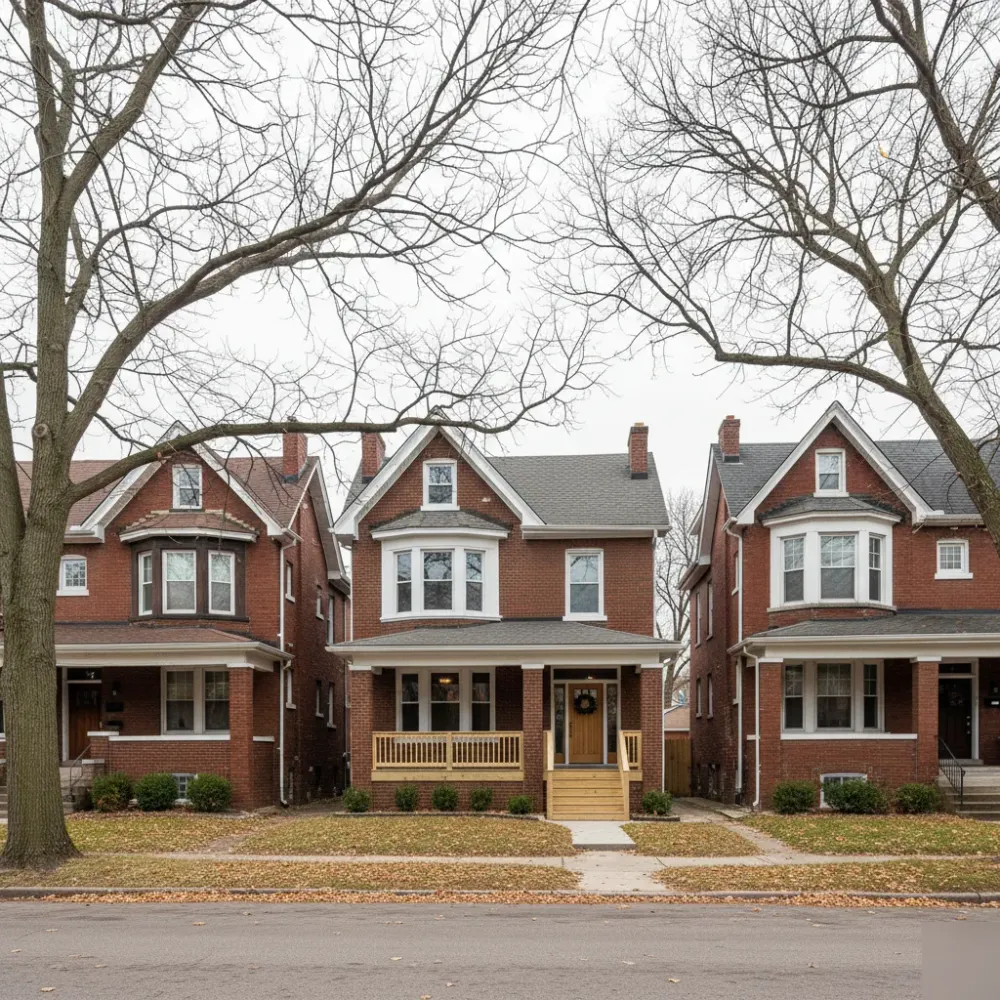
Both St. Louis County and the city’s assessor offices keep public records on every parcel. These records include your property’s assessed value, lot size, square footage, year built, and any improvements on file. It’s all public information, you can look it up online or visit the office in person.
Here’s the thing most folks don’t realize. The assessed value is not the same as market value. In Missouri, residential property is assessed at 19% of its appraised value according to the Missouri State Tax Commission. So if your home’s assessed value shows $38,000, the appraiser actually estimated it closer to $200,000. That math trips people up constantly.
What You’ll Actually Find in These Records
County assessor records give you a few critical pieces of information that other methods can’t match:
- The legal description and exact boundaries of your property
- Tax history showing how your assessed value has changed over time
- Building permits and recorded improvements like additions or renovations
- Land value separated from structure value
That last point matters more than you’d think. Knowing how much of your property’s value sits in the land versus the building helps you understand what you’re really working with. We see this come up all the time when clients in neighborhoods like Soulard or Tower Grove are trying to figure out if their home’s value has kept pace with the area’s growth.
And here’s where it gets practical. If you’re considering a cash-out refinance or looking into mortgage refinancing, lenders will pull assessor data as part of their process. Having that information ahead of time puts you in a stronger spot. You’ll know what the official records say before anyone else tells you. For a deeper look at how the St. Louis assessor’s office handles property valuation methods and assessment questions, their FAQ page is a helpful resource.
Where to Access St. Louis Assessor Records
For properties inside the city limits, the local assessor’s office keeps an online property search tool. Properties in St. Louis County use a separate system through the county’s website. Both are free to use.
One scenario we run into regularly: a homeowner in Bevo Mill or Carondelet pulls up their assessor record and finds the square footage is wrong. Maybe a finished basement was never recorded. Maybe a garage conversion didn’t make it into the system. That kind of error can drag your assessed value down, and it can affect how a lender views your property too.
So check the details carefully. If something looks off, you can file an appeal or correction with the assessor’s office. It’s worth the effort.
But don’t stop here. Assessor records give you the official baseline. They tell you what the government says your property is worth for tax purposes. That number is a starting point, not the full picture. Market conditions, buyer demand, and your home’s actual condition all play a role that assessor data simply can’t capture.
Think of assessor records as the foundation of your property value research. Solid and necessary. Just not the whole house. If you want to understand how this data connects to your lending options, our mortgage consultation team can walk you through what the numbers mean for your specific situation.
Frequently Asked Questions
Common questions about How to Find the Value of a Property: 6 Reliable Methods in Suite 100 St. Louis
What is the difference between appraised value and assessed value in St. Louis?
Appraised value is set by a licensed appraiser and used by your lender. Assessed value is set by the local assessor’s office and used to calculate your property taxes. In Missouri, residential property is assessed at 19% of its market value, according to the Missouri State Tax Commission. So these two numbers are built from completely different formulas. Mixing them up can cause real confusion — especially when you’re budgeting for a home purchase or appealing your tax bill in St. Louis.
How accurate are online home value estimators for St. Louis properties?
Online estimators can be off by thousands of dollars — even in St. Louis. Zillow’s own research shows a national median error rate of about 6.9%. On a $250,000 home, that’s roughly $17,000 in either direction. These tools miss interior upgrades, deferred maintenance, and block-by-block neighborhood shifts. A home in South City near a quiet street and one near a busy corridor may look identical to an algorithm. They aren’t. Use online estimates as a starting point only, not a final answer.
Which property value number matters most when applying for a mortgage in St. Louis?
Your lender cares most about the appraised value. They will not approve a loan for more than the appraised value of the home. If you agree to pay $280,000 but the appraisal comes back at $260,000, someone has to cover that gap. Market value drives your offer price, but appraised value drives what your lender will fund. If you want to understand which number applies to your specific situation, our mortgage pre-approval and home loan guidance page walks through the full process.
Can upgrades to my St. Louis home change its appraised value?
Yes — but only if the appraiser can see them. A finished basement, remodeled kitchen, or new roof can raise your appraised value. Online tools will never know about those changes. A licensed appraiser visits in person, measures the space, and notes the condition of the home. That’s why a home in the Central West End with recent updates can appraise very differently than a similar home that hasn’t been touched in years. Document your upgrades and share them with your appraiser.
What is a common mistake St. Louis homeowners make when estimating their home’s value?
The most common mistake is treating an online estimate as a final number. Many homeowners in neighborhoods like the Central West End see a high Zestimate and assume they have plenty of equity for a refinance. Then the actual appraisal comes in lower. Another common mix-up is confusing assessed value with market value. Assessed value is a tax formula — it does not reflect what your home would sell for today. Knowing which number fits your goal saves you from surprises at the closing table.
How does St. Louis’s mix of older building types affect property valuation?
St. Louis has a wide range of building types — from brick four-families in Soulard to bungalows in Dutchtown to larger homes in the Central West End. Older construction can affect insured value because rebuild costs for brick or historic materials run higher. It can also affect appraised value if deferred maintenance is present. Appraisers compare your home to similar recent sales nearby. In St. Louis, where building styles vary block by block, finding the right comparable sales is a key part of getting an accurate number.
Ready to Get Started?
Get your free consultation. Call today.